4 Health Benefits Of Walnuts And How Much You Should Eat
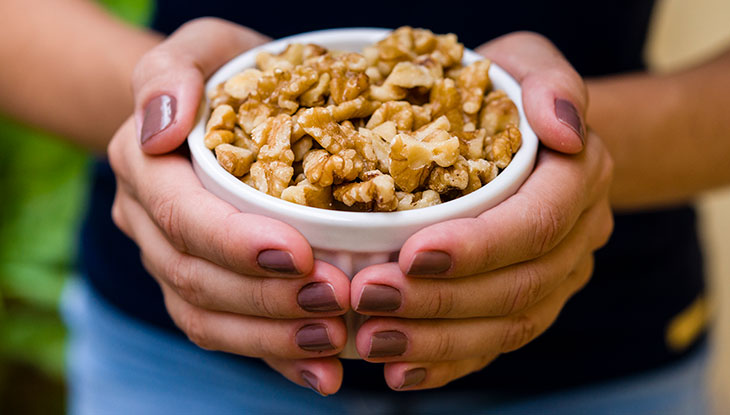
The history of walnuts dates back to ancient Persia, where they were once meant for royalty. Over time, walnuts made their way to California, where they were included in the state’s top 10 agricultural products in 2021.
Walnuts have been considered valuable throughout history, but why? Perhaps we’ll find the answer if we look at the nutritional benefits of walnuts.
Although walnuts are high in calories, they are also extremely nutritious and have a variety of health benefits:
1. Heart health
Walnuts are a great source of alpha-linolenic acid (ALA), an omega-3 fatty acid that is important for reducing inflammation. In fact, it is the only nut with a significant content of these omega-3 fatty acids. Its anti-inflammatory compounds may reduce the risk of heart disease.
2. Brain health
Studies have shown that antioxidants and anti-inflammatory polyphenols (compounds) present in walnuts can improve brain function and delay the mental decline that occurs with aging. Cognitive functions include memory and thinking ability.
3. Gut health
Bacteria and microbes in the gut are also essential for health. Research shows that walnuts can improve gut health. In one clinical trial, adults who ate walnuts every day had healthier gut bacteria.
4. Cancer prevention
Microbes in the gut absorb compounds in walnuts and produce urolithins, which may help reduce the risk of certain types of cancer. Research is still ongoing to fully understand the potential role of walnuts in cancer prevention.
How many walnuts should I eat?
The 2020-2025 Dietary Guidelines for Americans recommend about 5 ounces of nuts, seeds, and soy products per week for a 2,000-calorie diet. One serving (1 ounce) contains 2 grams of fiber, 4 grams of protein, 18 grams of fat, and about 190 calories.
What nutrients do walnuts contain?
Although nuts are high in calories, they are also rich in nutrients. The healthy unsaturated fats in nuts keep you feeling fuller longer.
Recent research suggests that the way fat is stored in nuts prevents your body from holding on to all the calories. One study found that although an ounce of nuts has 190 calories, only about 145 of them are usable.
Nuts also provide you with some of the iron and magnesium you need—about 10-14% of your daily needs.
What are the best ways to eat walnuts?
To maximize health benefits, look for raw, unsalted nuts. You can eat them alone as a snack or add them to your morning oatmeal. While nuts have many health benefits, it’s important not to overeat them.
Volunteer for walnut research
Walnuts are packed with beneficial compounds, as described above, but there is still much to learn. Understanding the other potential health effects of walnuts can give us more accurate information about who would benefit from consuming them and how they can contribute to a balanced and nutritious diet.
UCD’s Steinberg lab is trying to figure out how walnuts work. Researchers are studying how walnuts may provide benefits to the gut and cholesterol levels. Measuring the effects of walnut consumption on cholesterol levels may help us better understand what role these nuts potentially play in reducing the risk of heart disease.
If this research sounds interesting to you, please consider volunteering to participate in their research study. They are looking to recruit postmenopausal men and women between the ages of 45 and 70. There are a few additional requirements to participate. The study will last about 10 weeks and includes four 30-minute visits to the UC Davis campus in Davis, California.