How Air Pollution Effects on Health: A Deep Dive into Health Risks.
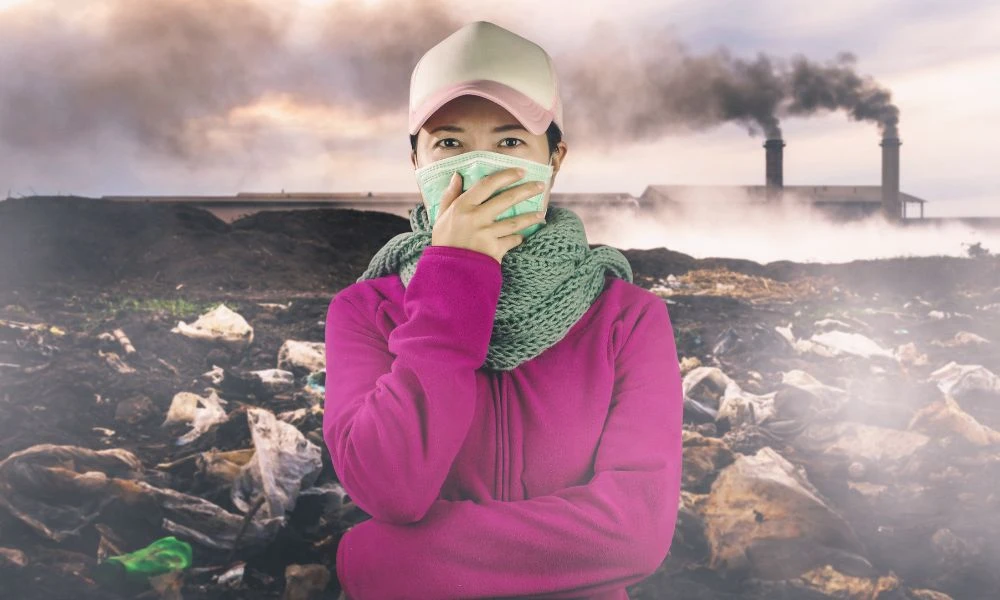
It is clear that air pollution is the disaster we all suffer from today. As a result of it, our health is deteriorating every day. It is one of the major environmental threats we face globally, affecting people in urban and rural areas alike. The current situation certainly calls for strict precautions. We often think of the visible effects of air pollution on health, but these go far beyond what our eyes can see. From a throat infection to the cardiovascular system, the effects of pollution severely harm our health and leave long-lasting negative health consequences.
What’s in the Air We Breathe?
The air we breathe on a regular basis is not pure, but contains a number of harmful substances. Air pollution comprises a number of harmful substances, including:
- Particulate matter (PM2.5 and PM10): small harmful particles that can penetrate deep into our lungs and even enter the bloodstream.
- Nitrogen dioxide (NO₂): NO₂ is released mainly from vehicle exhaust and industrial activities and can damage human respiratory tracts.
- Sulfur dioxide (SO₂): It is released from the burning of fossil fuels and breaks down the respiratory system and can cause asthma.
- Ozone (O₃): Another pollutant is tropospheric ozone, which is released by the collision between sunlight and pollutants from vehicles or industries, a major component of smog.
These pollutants or air pollution affect our health in a variety of complex ways, resulting in short- and long-term health effects.
Air Pollution Effects on Health
There are a variety of diseases that can occur due to harmful pollution. These can be:
Threat to the cardiovascular system: Beyond the lungs, harmful air pollution affects the cardiovascular system. The alarming pollutants can enter the bloodstream and can cause inflammation and oxidative stress, which can lead to some diseases like heart attacks, strokes, hypertension, etc.
Reduced immune system defenses: Several studies suggest that air pollution affects health in ways that can weaken our immune system and make the human body susceptible to infections and diseases. Particulate matter can cause oxidative stress and inflammation, which affects the immune response in various ways.
Impact on the brain: Air pollution is not limited to just the respiratory and cardiovascular systems; it can further penetrate the brain. Some of the pollutants, especially ultra-fine particles, can overcome the blood-brain barrier, which can lead to several neurological effects. It can develop problems in children as well as dementia in adults.
Asthma Exacerbation: Asthma is a commonly known disease, a chronic lung condition that can affect people of all ages. Some pollutants like ozone and particulate matter can trigger illnesses and air pollution can even worsen symptoms in people with existing conditions.
Chronic Obstructive Pulmonary Disease (COPD): As one of the health effects of air pollution, it can also lead to COPD, a progressive disease that makes breathing difficult. It can damage results in swelling and irritation, also called inflammation, within the airways that limit the flow of air in and out of the lungs.
Reduced Lung Function: Let us tell you that children are easily exposed to high levels of pollution, due to which they may experience reduced growth and lung function, which can have lifelong health consequences.
If we talk about the short-term effects of pollution, exposure to such harmful pollutants often leads to irritation of the eyes, throat, and nose, and can even trigger symptoms like sneezing, coughing, eye discomfort, and headaches. In addition, some people may also experience respiratory discomfort, such as wheezing and shortness of breath, especially in places with high levels of pollution.
In addition, pollution is affecting everyone, however, there is a “sensitive group” that is on high alert. This group may include children, the elderly, and people with pre-existing health conditions.
Mitigating the Health Risks of Air Pollution
Understanding the risks of air pollution is essential, the first step to protecting yourself. Here are some of the steps you can take to tackle the health effects of air pollution:
Monitor air quality – You can check the air quality index (AQI) in your neighbouring area and avoid outdoor activities when pollution levels are high and unhealthy.
Use air purifiers – Investing in a high-quality air purifier is a great idea to tackle pollution. These can reduce indoor pollution levels.
Use masks – The most important thing you can consider doing is wearing a mask. If you need to be outdoors in a polluted atmosphere, wearing a mask can help filter out some harmful particles.
Green spaces and indoor plants – Try having plants in your home. This initiative can help improve indoor air quality, and green spaces also act as natural filters for urban areas.
Diet and antioxidants to limit the effects of pollution: To prevent the harmful effects of air pollution, one must take care of their diet. A diet rich in antioxidants can help fight oxidative stress caused by pollutants. In addition, foods rich in vitamins C and E and omega-3 fatty acids can provide a strong foundation for our immune system and improve the body’s resistance.
Fitness Tips to Deal with Pollution Effects
Physical activity or exercise is supposed to support respiratory health and boost immunity, but pollution can discourage outdoor exercise. Here are some fitness tips from certified trainers at Anytime Fitness that can help people stay active and minimize exposure:
Indoor exercises: More indoor exercises can be included in the routine, such as bodyweight circuits, yoga, or pilates.
Breathing exercises: Another option is deep breathing exercises that can strengthen the lungs. Techniques such as diaphragmatic breathing can improve lung function.
Hydrate: Drinking plenty of water or staying hydrated can also help flush out toxins and keep the respiratory system hydrated, which is essential for dealing with pollutants.
Adjust the intensity: On high pollution days, low-intensity exercises can be considered, as high-intensity exercises can cause you to inhale more pollutants.
Additionally, you can also exercise at home with the help of the Anytime Fitness app, which offers over 3,500 exercises and always keeps you ahead of your fitness goals.
Air pollution has serious effects on health and affects almost every system in the body. While the immediate effects may seem minor, the overall impact of long-term exposure can lead to chronic diseases, reduced life expectancy, and poor quality of life. Understanding air pollution and taking appropriate precautions is essential. Taking steps to reduce exposure today can help protect our health and that of future generations.