Thinking About Becoming a Pescatarian? What You Should Know About the Pescatarian Diet

What is a pescatarian diet?
The term pescatarian (coined by combining pesce (Italian for fish) and vegetarian) is a clue: it’s a vegetarian diet that also includes seafood. About 3% of American adults say they are pescatarian, according to a 2020 Economist/YouGov survey.
What you can eat on a pescetarian diet and what you should avoid
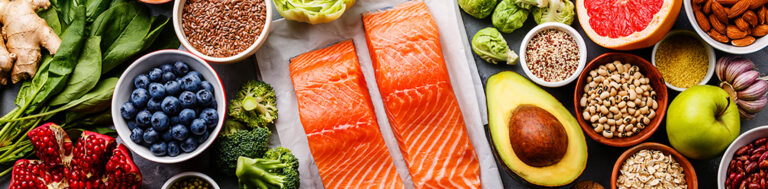
The pescetarian diet is a primarily plant-based eating pattern. This eating pattern is generally understood as eating like an ovo-lacto-vegetarian, meaning consuming a variety of vegetables, fruits, grains, legumes, nuts and seeds, as well as eggs and dairy products, in addition to fish and seafood.
Pescetarians do not eat meat or poultry. The reasons for this choice vary. It may be for religious reasons, concerns for personal health, animal welfare, a desire to have a lower impact on the environment, or simply personal preference.
Does a pescetarian diet have health benefits?
One of the main health benefits of being a pescatarian is avoiding red meat and processed meat. High consumption of these foods has been linked to higher rates of heart disease, diabetes, and some cancers, as well as a shorter life expectancy.
Adding fish to a vegetarian diet can also help fill nutritional gaps, says Dr. Hu. In addition to being excellent sources of protein and vitamin D, “fish and seafood provide nutrients that may be lacking or harder to get on a strict vegetarian diet, such as vitamin B12, iron, selenium, and zinc.”
And by switching from an omnivorous to a pescatarian diet, you’re likely to eat more fiber- and nutrient-rich plant foods, which is healthier for you and the planet, Hu adds. The pescatarian diet nicely complements other healthy eating plans, such as the Mediterranean diet.
An extra healthy fat for the heart and brain
Fatty fish such as salmon, sardines, herring, and mackerel are excellent sources of omega-3 fatty acids. These healthy fats have long been linked to better heart and blood vessel health. (Leaner fish such as cod, sole, and flounder, and shellfish such as clams, provide many nutrients but contain fewer omega-3 fats than fatty fish.) The American Heart Association recommends eating fish at least twice a week, especially fatty fish.
Omega-3 fatty acids from fish may also have benefits for brain health. Research suggests that people who eat fish at least twice a week may have a lower risk of developing vascular brain diseases, such as stroke, compared with those who eat little or no fish. And recent findings from the long-term Seventh-day Adventist Study reported that while people who followed any type of vegetarian diet tended to live longer than meat eaters, the increase in longevity was even greater for pescetarians, who also had a lower risk of developing stroke, dementia or Parkinson’s disease in their later years compared with strict vegetarians. (The Seventh-day Adventist Study counted pescetarians as a type of vegetarian.)
Are there any potential disadvantages to a pescetarian diet?
In general, it’s better to choose fish over meat or poultry, as it generates fewer greenhouse gas emissions when it reaches the table. But a lot depends on how the fish is caught and how fisheries are managed, as some species are dangerously overfished.
Another cause for concern is that nearly all fish contain at least trace amounts of methyl mercury, a contaminant that can damage the brain and nervous system. The highest levels are found in larger, longer-lived fish such as swordfish, shark and orange roughy, so the FDA recommends eating them only rarely, and that pregnant and nursing women and young children avoid them altogether.
Both problems can be avoided, Hu says, by thinking small. “Small fish like anchovies and sardines, and shellfish like scallops, oysters and mussels, have a much smaller environmental impact” than large fish, she explains. “They’re also very tasty and much less likely to have mercury and other contaminants.”
When buying fish, look for those that are sustainably produced and choose stores that are transparent about where their fish comes from. The Monterey Bay Aquarium’s Seafood Watch recommendations may be helpful.
Easy and healthy pescetarian meal ideas
Here are some easy ways to add fish to your menu:
- Spice up Taco Tuesday with fish or shrimp tacos.
- Dress a salad or pasta with sardines or cooked crab meat.
- Add scallops or shrimp to your stir-fry.
- Make salmon burgers with canned salmon.
- Shred leftover cooked fish into an omelet or frittata.