Mediterranean Diet: Foods To Eat, Health Benefits And How to Get Started
The Mediterranean diet is a well-documented way of eating that can help improve overall health. It focuses on whole, plant-based foods and healthy fats. These have been scientifically proven to reduce the risk of chronic diseases such as heart disease.
What do you eat on a Mediterranean diet?
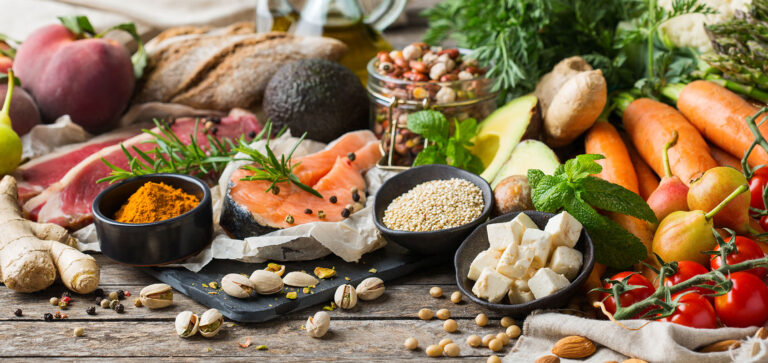
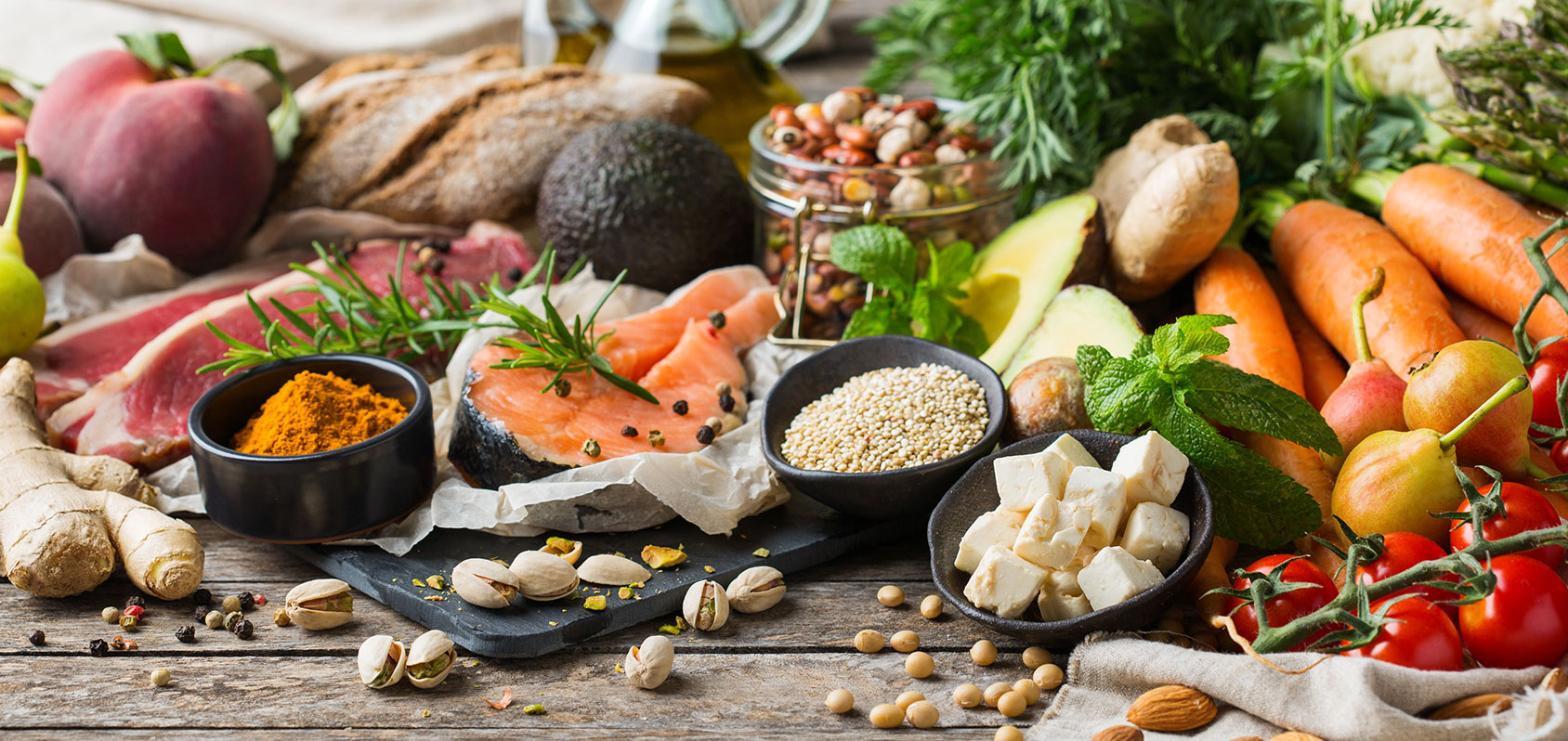
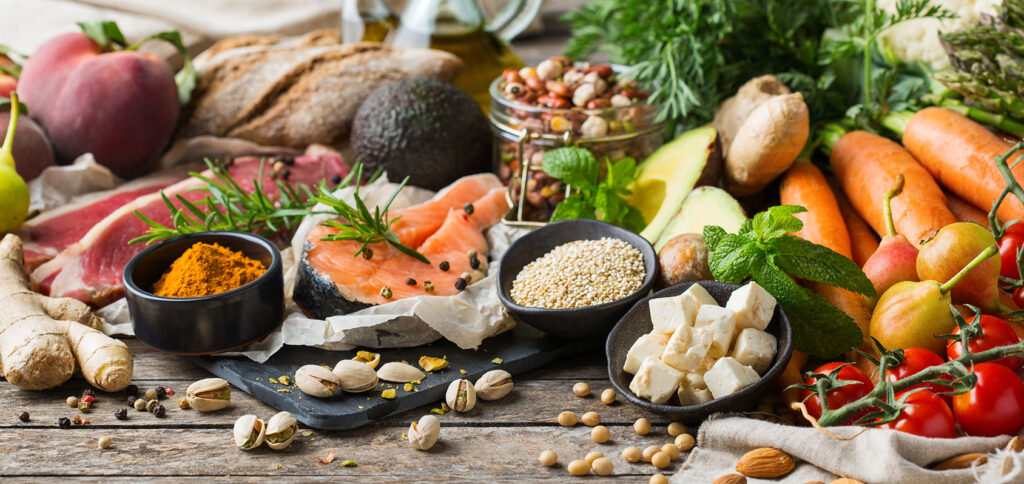
The Mediterranean diet is made up of many foods found in the regions bordering the Mediterranean Sea. These types of foods provide a variety of vitamins and nutrients that nourish our bodies. Food groups that are part of the Mediterranean diet include:
- Fruits and vegetables
- Nuts and seeds, including almonds, walnuts, sunflower seeds, and pumpkin seeds
- Beans and legumes, such as lentils, chickpeas, black beans, and kidney beans
- Whole grains such as whole-wheat bread, quinoa, brown rice, and whole-wheat pasta
- Fish and shellfish
- Healthy fats and oils, including extra-virgin olive oil and avocado and nut oils
What foods are not part of the Mediterranean diet?
If you’re trying to follow the Mediterranean diet, eat these foods less often or in small amounts:
- Highly processed foods (such as sodas, sugary fruit juices, and chips)
- Refined carbohydrates (such as white bread, white rice, and pastries)
- Fatty or processed meats (such as bacon, sausage, hot dogs, and lunch meats)
- Foods high in sodium (such as salted nuts, instant soups, and canned goods)
- Foods high in saturated fat (such as beef, coconut oil, butter, and processed cheese)
- These types of foods are often linked to several health problems, such as heart disease and type 2 diabetes. They tend to be high in unhealthy fats, sugars, and sodium, which contribute to poor health.
What are the benefits of the Mediterranean diet?
The Mediterranean diet has several health benefits, including potential weight loss. Here are six benefits of this eating plan:
- Heart Health: Many researchers have found that people who follow the Mediterranean diet have lower blood pressure, cholesterol levels, and blood glucose levels.
- Sleep Quality: Researchers have found that the Mediterranean diet is linked to better sleep quality, improved sleep efficiency, and reduced time taken to fall asleep.
- Cancer Risk: The Mediterranean diet is rich in fiber, healthy fats, and anti-inflammatory foods. These may reduce the risk of certain types of cancer.
- Mental Health: The Mediterranean diet has been shown to improve mental health and quality of life. It may also reduce depression and cognitive decline.
- Diabetes: Many studies have shown that people who follow the Mediterranean diet reduce their chances of developing type 2 diabetes. Additionally, research has shown that people who follow the Mediterranean diet have lower levels of hemoglobin A1C.
- Weight control: Studies show that people who follow this diet have less weight gain over time. This reduces the chance of becoming overweight or obese. The Mediterranean diet is also linked to weight loss.
How should I start a Mediterranean diet?
Here are some tips to help guide you through the Mediterranean diet:
- Add more fruits and vegetables – Start slowly. Incorporate a little fruit or a few vegetables into your eating routine. For example, if you like to snack between meals, try eating a cup of fruit or a couple of sticks of celery with peanut butter. At mealtimes, you can slowly add steamed vegetables, such as broccoli or carrots. Get creative. Find something that fits into your eating routine.
- Include whole grains – Slowly replace refined grains with whole grain alternatives. For example, if you like white rice, consider gradually switching to brown rice.
- Switch to olive oil – Instead of using butter for cooking, use olive oil to help reduce saturated fat.
- Consider cutting back on red meat – Try cutting back on red meat. Instead, eat more fish or seafood.
Remember to take it slow and make changes one at a time. These small steps can lead to big changes in your health and well-being over time. For this reason, the Mediterranean diet can be an easy gateway to healthy eating habits.