Dietitians’ Tips For Sustainable Eating That are Good for You and The Planet
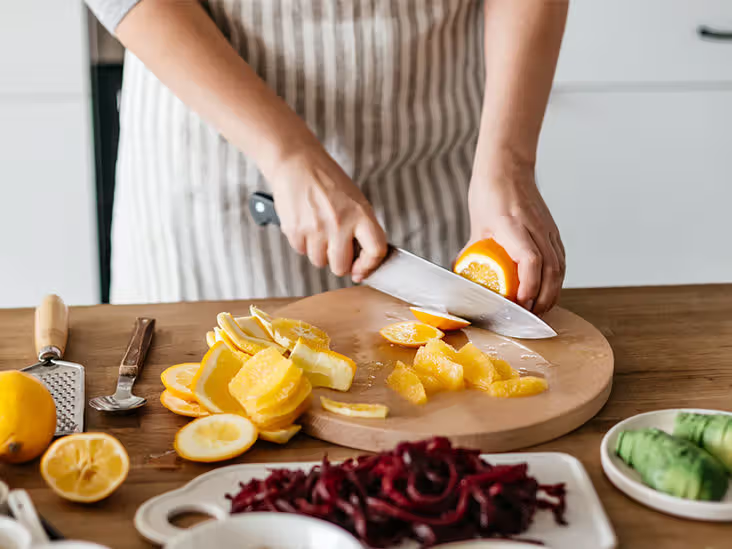
March is National Nutrition Month and the theme for 2023 is “Fuel for the Future.” It underscores the importance of choosing nutritious foods that are also good for the environment.
An example of choosing foods that benefit our plant would be eating legumes (beans, lentils, peas) instead of meat as a source of protein.
“In general, plant-based foods use less land and water than the production of animal products,” explains Cathy Deimeke, a registered dietitian at UC Davis Health. She is the director of Health Management and Education, which hosts a variety of wellness classes for UC Davis Health patients.
Our UC Davis Health registered dietitians have some other tips on eating, shopping, and preparing food that is good for both you and the planet.
Eat with the environment in mind
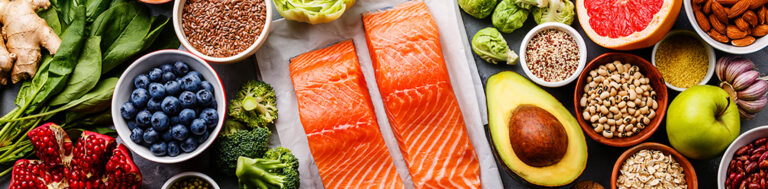
It’s clear that the food we eat has a huge impact on our health, but it also has a huge impact on the health of our planet. Fortunately, a plant-based diet focused on vegetables, fruits, grains, nuts, and legumes instead of animal products can have positive effects on both.
“Even a few simple changes can have big benefits,” says UC Davis Health registered dietitian Haley Dockrey. “Two examples include swapping dairy milk for soy milk or calcium-fortified oatmeal in your breakfast cereal or replacing ground beef in tacos with black beans.”
Plant-based eating can be fairly simple. Many restaurants now offer several plant-based alternatives.
Ideas for sustainable grocery shopping
Between growing food, packaging, transporting and wasting it, food production can take a toll on our environment. Plastics, for example, are polluting our streets, national parks and oceans. There are several ways to buy plant-based foods that create little waste and come with minimal packaging.
“My favorite tip is to buy grains and dried legumes in bulk bins at grocery stores,” Dockrey says. “Doing this allows you to buy the exact amount you need and eliminate extra packaging. Bonus points if you bring your own reusable bags or glass jars.”
Other ways to reduce plastic packaging include buying seasonal fruits and vegetables at your local farmers market. You can also try growing your own food, like fresh herbs, at home.
Stay nourished and save money
Planning meals and snacks not only benefits your health, but also reduces waste and saves money.
“When I cook, I try to find creative ways to include leftovers in the next day’s lunch,” says Deimeke.
An extra serving of chicken or fish could add protein to a salad or grain bowl.
“If I make a pot of chili on the weekend, I save some of the leftovers for the week and freeze some containers, too,” says Deimeke. “Cooking this way, called batch cooking, also saves energy.”
- Here are some other tips to reduce food waste:
- For fruits and vegetables, buy only what you need. As fruits and vegetables begin to ripen, place them in the center of the refrigerator to remind you to use them soon.
Try grocery shopping online. “As you fill your virtual cart, look in your refrigerator, freezer and pantry and assess what you need,” Deimeke adds. “You can also look for items on sale.”
Make a shopping list and organize it by food type or grocery aisle. Look on grocery store apps for lists and recipes.
If you have space, see if there are items you can store in the freezer.