Eating a Balanced Diet
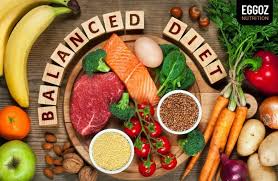
Eating a healthy, balanced diet is an important part of maintaining good health and can help you feel your best.
This means eating a wide variety of foods in the right proportions and consuming the right amount of food and drink to reach and maintain a healthy body weight.
This page offers advice on healthy eating for the general population.
People with special dietary needs or a medical condition should consult their doctor or a registered dietitian.
Food groups in your diet
The Eatwell Guide shows that to have a healthy, balanced diet, people should aim to:
- eat at least 5 portions of a variety of fruit and vegetables every day (see 5 a day)
- base meals around fibre-rich, starchy foods such as potatoes, bread, rice or pasta
- eat some dairy products or dairy alternatives (such as soya drinks)
- eat some legumes, fish, eggs, meat and other proteins
- choose unsaturated oils and spreads, and eat them in small amounts
- drink plenty of fluids (at least 6 to 8 glasses a day)
- If you eat foods and drinks high in fat, salt and sugar, eat them less often and in small amounts.
Try to choose a variety of different foods from the 5 main food groups to get a wide range of nutrients.
Most people in the UK eat and drink too many calories, too much saturated fat, sugar and salt, and not enough fruit, vegetables, oily fish or fibre.
The Eatwell Guide does not apply to children under 2 years of age because they have different nutritional needs.
After the age of 2, children should start eating the same foods as the rest of the family in the proportions shown in the Eatwell Guide.
Fruit and vegetables: are you getting your 5 A Day?
Fruit and vegetables are a good source of vitamins, minerals and fibre, and should make up just over a third of the food you eat each day.
It is recommended that you eat at least 5 portions of a variety of fruits and vegetables every day. They can be fresh, frozen, canned, dried or juiced.
There is evidence that people who eat at least 5 portions of fruit and vegetables a day have a lower risk of heart disease, stroke and some types of cancer.
Eating 5 portions is not as difficult as it seems.
One portion is:
- 80g of fresh, canned or frozen fruit and vegetables
- 30g of dried fruit, which should be limited to meals
- 150ml glass of fruit juice or smoothie, but don’t have more than 1 portion a day as these drinks are sugary and can damage teeth
- Just 1 apple, banana, pear or similar sized fruit is 1 portion each.
A slice of pineapple or melon also makes up one serving, and 3 heaping tablespoons of vegetables makes up another serving.
Adding a tablespoon of dried fruit, such as raisins, to your morning cereal is an easy way to get a serving.
You can also replace your mid-morning biscuit with a banana and add a side salad to your lunch.
In the evening, have a serving of vegetables and fresh fruit for dinner with low-fat plain yoghurt for dessert to reach your 5-a-day.
Starchy foods in your diet
Starchy foods should make up a little more than a third of everything you eat. This means your meals should be based on these foods.
Choose starchy varieties of whole grain foods, such as brown rice, whole wheat pasta, and whole wheat bread or higher-fiber white bread.
They contain more fiber and usually more vitamins and minerals than white varieties.
Potatoes with the skin on are a great source of fiber and vitamins. For example, when you eat boiled potatoes or a baked potato, eat the skin too.
Milk and dairy foods (and alternatives)
Milk and dairy products, such as cheese and yogurt, are good sources of protein. They also contain calcium, which helps keep bones healthy.
Choose products with less fat and sugar whenever possible.
Choose semi-skimmed, 1%-fat, or skimmed milk, as well as lower-fat hard cheeses or cottage cheese and lower-fat, lower-sugar yogurt.
Dairy alternatives, such as soy drinks, also fall into this food group.
When purchasing alternatives, choose unsweetened and calcium-fortified versions.
Beans, pulses, fish, eggs, meat and other proteins
All of these foods are good sources of protein, which is essential for body growth and repair.
They are also good sources of a range of vitamins and minerals.
Meat is a good source of protein, vitamins and minerals, including iron, zinc and B vitamins. It is also a major source of vitamin B12.
Choose lean cuts of meat and skinless poultry whenever possible to reduce fat. Always cook meat thoroughly.
Try to eat less red and processed meat such as bacon, ham and sausages.
Learn more about including meat in your diet
Eggs and fish are also good sources of protein and contain many vitamins and minerals. Oily fish is particularly rich in omega-3 fatty acids.
Try to eat at least 2 servings of fish a week, including 1 serving of oily fish.
You can choose from fresh, frozen or canned fish, but remember that canned and smoked fish can often be high in salt.
Legumes, such as beans, peas and lentils, are naturally very low in fat and high in fibre, protein, vitamins and minerals.
Nuts are high in fibre and unsalted nuts are a good snack. But they still contain high levels of fat, so they should be eaten in moderation.