Health Benefits of Olive Oil and Why You Should Add it To Your Diet
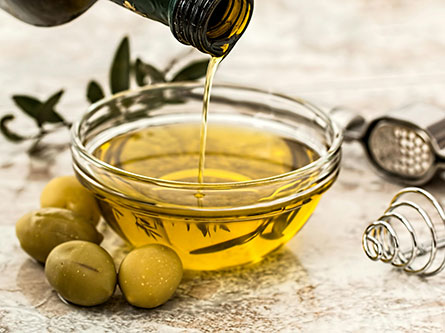
If olives are botanically classified as a fruit, can we say that olive oil is a fruit juice? While we don’t consume olive oil the same way we consume apple or orange juice, there’s a reason people have used it for centuries. It’s popular for cooking, as a skin moisturizer, for strengthening hair, and even as a remedy for sore throats and wounds.
You may think that this “green gold” is a much less healthy counterpart to your morning fruit juice. However, olive oil has been shown to provide many health benefits if you consume it regularly.
Health benefits of olive oil
Olive oil has several health benefits. Most of the fats in olive oil are made up of monounsaturated fatty acids (MUFAs). These have been shown to increase levels of “good” cholesterol (HDL) and reduce “bad” cholesterol (LDL). Of all vegetable cooking oils, olive oil has the highest levels of MUFAs.
This, along with olive oil’s anti-inflammatory and antioxidant compounds, can reduce plaque buildup in the arteries. It can also help protect the body from harmful chemicals that have been linked to chronic diseases such as cancer, autoimmune diseases, and heart disease.
Types of olive oils
While olive oil has many benefits, it’s worth noting that different types of olive oil vary in nutritional quality. This is because they have different amounts of beneficial compounds like polyphenols (compounds with anti-inflammatory and antioxidant characteristics) and other antioxidants.
Extra virgin olive oil (EVOO) contains the highest percentage of polyphenols and antioxidants. This is because it goes through only one processing procedure, while other types are processed further. More processing causes more polyphenols and antioxidants to be lost.
Virgin olive oil (EVOO) is only processed slightly more than EVOO. It still contains most of the polyphenol and antioxidant compounds from olives, but not as many as EVOO. EVOO also has a milder flavor.
Finally, “light,” “pure,” and refined olive oils are processed more moderately. This results in the mildest flavor, meaning they contain far fewer beneficial compounds.
Recommended oil intake
The recommended daily intake of oil varies by age, sex, and activity level. The Dietary Guidelines for Americans 2020-2025 recommend 27 grams (just under 2 tablespoons) of any type of added oil per day for a 2,000-calorie diet.
Ways to add olive oil into your diet
Here are some ideas for adding olive oil (in place of other types of fat) to your diet and taking advantage of its benefits:
- Use it as a salad dressing: Mix olive oil, balsamic vinegar, and mustard together for a simple and delicious dressing.
- Drizzle it over roasted vegetables: Toss your favorite vegetables with a little olive oil and roast them in the oven for a healthy side dish.
- Use it for cooking: Olive oil can be used for cooking. More refined types of olive oil can be heated to a higher temperature than extra virgin olive oil, although extra virgin olive oil can be used at lower cooking temperatures. If you want to maintain the integrity of the flavor and quality of the olive oil, use the highest quality extra virgin olive oil as your finishing oil.