Health Benefits of Winter Squash And Ways You Can Cook Them
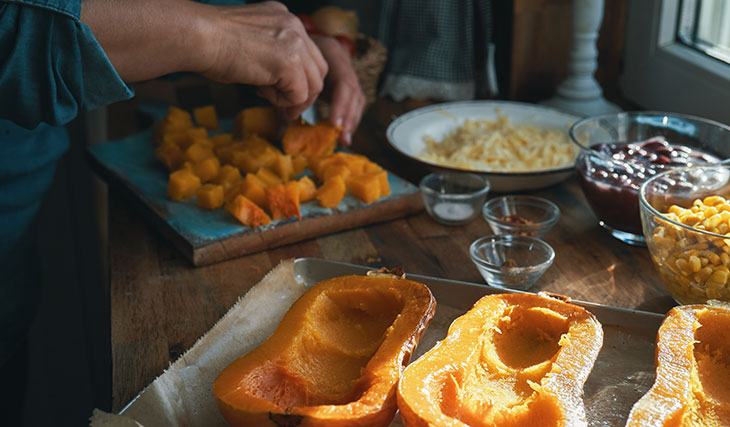
Have you ever wondered what the benefits of winter squash are? What role do the different colors play in improving your health?
One of the many reasons why squash is in high demand during the colder seasons is its high fiber content and nutritional density. Some of the health benefits include improving blood pressure, supporting gut health, and reducing the risk of certain diseases.
There are over 100 types of summer and winter squash. They are all incredibly beneficial fruits (and yes, squash is considered a fruit).
Squash is more than just a decorative element on your Thanksgiving table. Between its antioxidant levels and its large list of vitamins, it is one of the best ingredients you can add to your fall or winter dinner menus.
Here is an overview of the vitamins and minerals in squash and ways you can enjoy these delicious squashes:
Acorn squash
Acorn squash has a hard, green shell on the outside but is plump with a vibrant, flavorful orange center.
Benefits
This squash is packed with antioxidants, which can boost your immunity and help your body fight off certain diseases. Acorn squash contains antioxidants like vitamin C that help strengthen bones and blood vessels. It also has vitamin A, which helps improve the health of your lungs, heart, and other vital organs.
How to cook
To make a meal out of acorn squash, cut the fruit in half and drizzle with olive oil to add healthy fats. You can bake or roast it in the oven and top it with sweet or savory seasonings.
Cinnamon can add sweetness to acorn squash while still making it nutritious, or even a dessert. You can even eat the skin for added fiber.
Butternut Squash
In addition to its buttery flavor and vibrant color, this squash almost tastes like a sweet potato. The exterior and interior are much firmer than other squashes before cooking.
Benefits
Pumpkin contains considerable amounts of fiber, which can help you maintain a healthy weight and regulate bowel movements. It is known to help prevent colorectal cancer, while the beta-carotene in pumpkin can also improve eye health.
How to Cook
Pumpkin has a much tougher interior and needs to be cooked for longer. Cut this fruit in half, scoop out the seeds and roast it for about 40 minutes for a delicious side dish.
Spaghetti Squash
You may have seen this round, yellow squash at your local grocery store. The inside of spaghetti squash actually looks like spaghetti. It can have a crunchy yet delicious texture when cooked.
Benefits
This squash provides high amounts of vitamin B6 and fiber. It also contains vitamins A and C, which help with gum and teeth health in general. People use it as a lower-calorie spaghetti substitute or to add more nutrition to their meals.
How to cook
To make spaghetti squash, you can either cut the squash in half and roast it or scoop out the core and discard the outer part. This squash can be used as a substitute for spaghetti or as a regular side dish with butter or cheese.
Pumpkin
Pumpkins are round and come in orange, white, or green colors. Their flavor is herbaceous and is one of fall’s staple ingredients – from drinks to desserts.
Benefits
This spooky pumpkin isn’t just a fall decoration. It’s packed with vitamins and antioxidants that can help you get through flu season. Pumpkins contain beta-carotene, which your body turns into vitamin A. Vitamin A can improve eye health, reduce your risk of cancer, and boost your immunity to help fight off seasonal illnesses.
How to cook
Pumpkins are one of the most prominent flavors of the holidays. You can eat all parts of the pumpkin, so there are recipes to suit every taste. From toasting the seeds with olive oil to cooking the skin as a snack, nothing will go to waste.