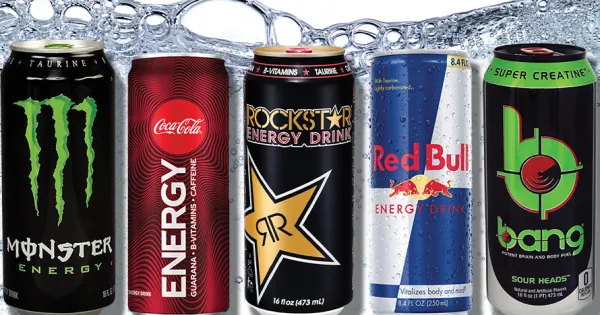
How Do Energy Drinks Affect Your Health?
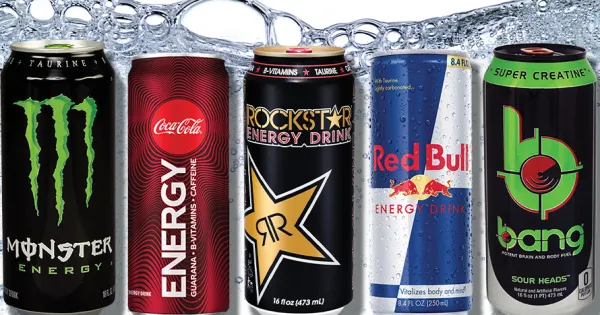
Many people enjoy energy drinks for the quick energy boost they provide. However, these drinks can have some negative effects on your health and heart.
Energy drinks are very easy to get and many people drink them without thinking about how they can affect their health. With the rise in popularity of these drinks, it’s important to be aware of these potential heart risks. This is especially true for people with heart problems or high blood pressure.
Find out how energy drinks affect your heart and learn tips to safely boost your energy.
How do energy drinks affect the heart?
Energy drinks can affect the heart in several key ways. They can change how heart cells function, possibly causing the heart to beat faster or irregularly. You can think of this as the heart racing without warming up. This is crucial because these changes can lead to serious heart disease, especially in people with existing heart problems.
The combination of high caffeine and other stimulants in energy drinks can lead to increased heart rate and blood pressure, according to the Centers for Disease Control and Prevention (CDC). Both are risk factors for heart disease. The National Institutes of Health (NIH) also notes that excessive consumption of these drinks can lead to heart rhythm disturbances and other health problems.
What ingredients in energy drinks, such as caffeine, should you pay attention to?
When consuming energy drinks, be aware of certain ingredients that may affect your health. These include:
- Caffeine
Caffeine is the primary stimulant in energy drinks. Too much caffeine can lead to palpitations, increased heart rate, and high blood pressure. - Taurine
Combined with caffeine, taurine can amplify the stimulant effects, which can increase heart rate and blood pressure. - Guarana
Contains additional caffeine, which may not be listed separately. Total caffeine content is increased by this ingredient. - Ginseng
This ingredient, a popular herbal medicinal product, is generally considered safe. However, research on its safety and effectiveness is limited. Some herbal supplements may also interact with prescription medications. Check with your doctor before consuming ginseng. - Sugar
High sugar levels can contribute to obesity, a risk factor for heart disease, and can cause spikes in blood sugar levels. - B Vitamins
Although B vitamins play an essential role in supporting many bodily functions, energy drinks often contain more than we should. Excess B vitamins increase the risk of toxicity, especially in people with liver or kidney failure. - Artificial Sweeteners
Used as a low-calorie alternative to sugar, they may be associated with heart-related health risks.
Tips for healthy energy drink use
If you consume energy drinks or need a boost, there are some things you can do to protect your health.
- Know what’s in it: Understand the ingredients in your energy drink to help you make better choices. Some ingredients may not be good for your heart.
- Look for other energy boosters: There are healthier ways to feel more awake. Getting enough sleep, eating healthy foods, and staying hydrated can help you have more energy.
- Pay attention to how you feel: If you notice that energy drinks make you feel jittery, anxious, or unusual in some way, it may be best to stop drinking them. Instead, find another way to boost your energy.
- Check with your healthcare provider: If you’re not sure whether energy drinks are safe for you, especially if you have heart problems or high blood pressure, talk to your healthcare provider.
Make healthy choices to help boost energy
While energy drinks may seem like a quick fix for tiredness, they carry potential risks that shouldn’t be ignored. It’s always better to choose healthier ways to boost your energy and keep your heart happy and healthy.
Remember that taking care of your heart by making smart choices today can help keep it strong for the future. For more information and health resources, check out trusted health websites like the CDC and NIH.