How Much Protein are you Required to Eat Per Day for Muscle Building?
If you’re on a quest to build lean muscle mass, you’ve probably heard the old advice: “Eat more protein.” While this advice is undoubtedly true, it’s critical to understand how much protein you should be consuming per day to maximize your muscle-building efforts.
In this comprehensive guide, we’ll dive into the science of protein intake for muscle growth, debunk some common myths, and provide practical recommendations tailored to your goals, answering the question: how much protein should I consume per day to build muscle, especially if you’re hitting the gym? or how much protein do I need?
The Importance of Protein in Muscle Building
Before we dive into the details of protein requirements, let’s first establish why protein is so critical for muscle growth and try to answer the question of how much protein do I need to build muscle. Consider us your personal trainer for the best result in and out of the gym.
Proteins are made up of amino acids, which are the “building blocks” of muscles. When you perform resistance or strength training exercises, you create tiny micro-tears in muscle fibers. To repair and rebuild these fibers, your body relies heavily on amino acids obtained from dietary protein.
Simply put, without an adequate supply of dietary protein, your muscles won’t have the raw materials needed to repair and grow, no matter how hard you train. But what do you mean by an adequate amount of protein? Simply put, the goal is to answer the question how much protein should I eat per day?
Factors Influencing Protein Requirements
Protein needs for building muscle are not a one-size-fits-all equation, and the answer to the question of how much protein do I need also varies from person to person. There are several factors that come into play when determining your ideal protein intake:
- Body weight
- Activity level
- Age
- Gender
- Workout intensity
- Calorie intake
1. Body Weight
In general, the more you weigh, the more protein you may need. This is because muscle tissue itself is protein, and people with greater muscle mass often need more protein to maintain and build that mass.
2. Activity Level
Your activity level plays a big role in protein requirements. Someone who regularly performs intense resistance training will need more protein than a sedentary person.
3. Age
Older individuals may require slightly more protein due to age-related changes in muscle metabolism and protein synthesis.
4. Gender
Men tend to have greater muscle mass and higher testosterone levels, which may influence protein needs compared to women.
5. Training Intensity
The intensity and volume of your workouts are important. More demanding workouts create more muscle damage and therefore require more protein for recovery and growth.
6. Caloric Intake
Your total caloric intake is also important. If you are in a caloric deficit to lose fat while gaining muscle, your protein needs may be higher to preserve muscle mass.
Protein Intake Guidelines for Muscle Building
Now that we’ve considered the factors that influence protein requirements, let’s dive into practical guidelines for building muscle through protein consumption:
- Calculate your protein needs
- Distribute protein intake across meals
- Prioritize protein quality
- Timing is important
- Listen to your body
1. Calculate Your Protein Needs
The widely accepted protein intake range for muscle building is between 1.2 and 2.2 grams of protein per kilogram of body weight per day (or 0.54 to 1.0 grams per pound of body weight). This range provides a good starting point for most people. However, let’s break it down further:
- Sedentary people: Aim for the lower end of the range (1.2 to 1.5 g/kg or 0.54 to 0.68 g/lb).
- Active people and those doing moderate resistance training: Aim for the middle end of the range (1.5 to 2.0 g/kg or 0.68 to 0.91 g/lb).
- Intense resistance training and bodybuilders: Aim for the higher end of the range (2.0 to 2.2 g/kg or 0.91 to 1.0 g/lb).
To determine how much protein to eat per day, multiply your body weight in kilograms by your target protein intake within the appropriate range. For example, if you weigh 70 kilograms and perform intense resistance training, you could consume around 140 grams of protein per day (70 kg x 2.0 g/kg).
2. Spread Protein Intake Across Meals
Spreading protein intake over several meals throughout the day can be more effective than eating it all in one or two meals. This approach ensures a constant supply of amino acids to the body and simplifies the question of how much protein to eat per day.
3. Prioritize Protein Quality
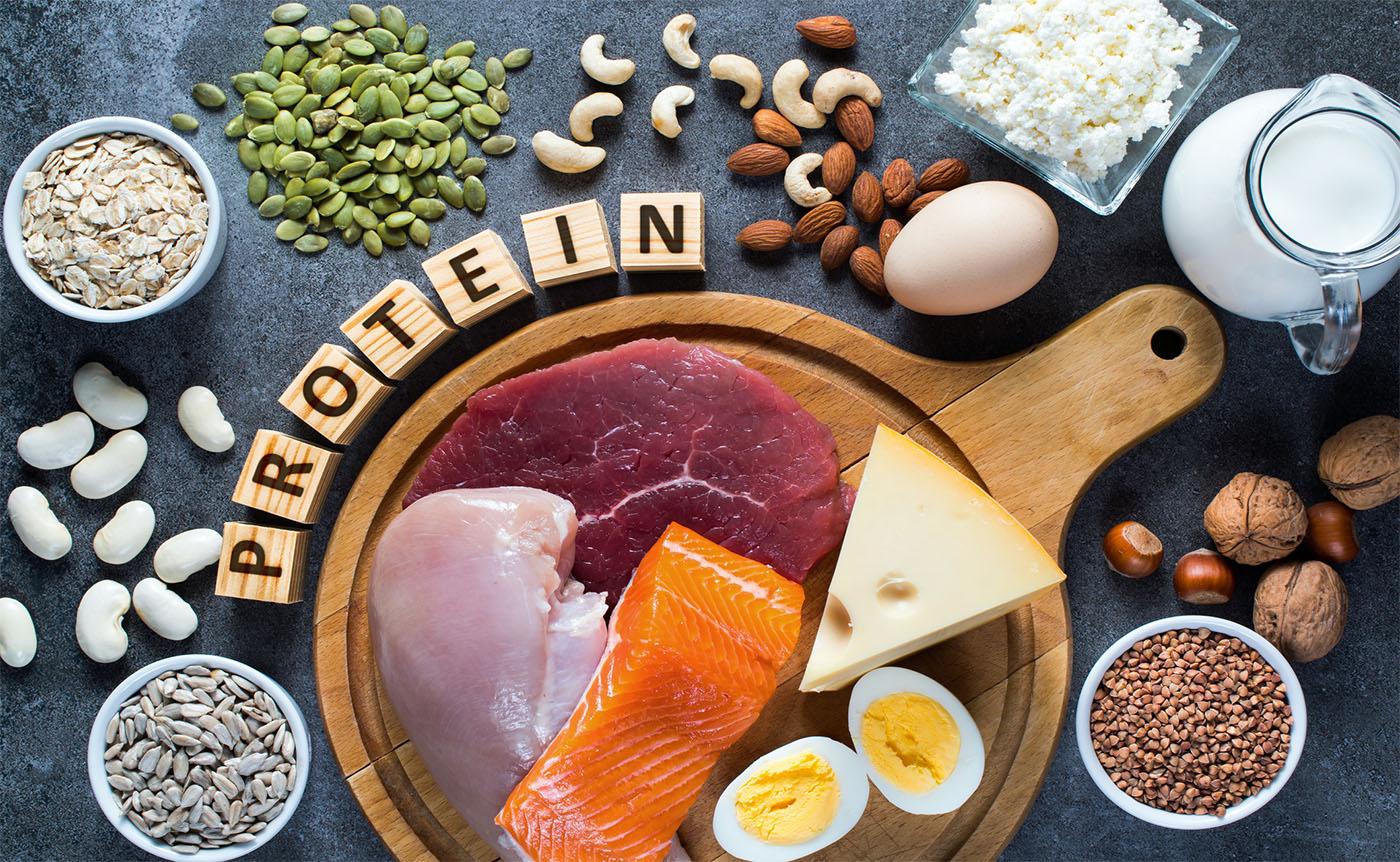
The source of your protein is important. Focus on high-quality, complete protein sources such as lean meats, poultry, fish, eggs, dairy products, and plant-based options like tofu, tempeh, and legumes. These sources provide all the essential amino acids your body needs for muscle growth and help you solve the dilemma of how much protein to eat per day.
4. Timing Matters
While total daily intake is crucial, specific timing can enhance muscle protein synthesis and works more than the amount of protein you should ingest per day:
- Pre-workout: Consuming protein before your workout can help prepare your muscles for impending stress and provide amino acids for immediate use.
- Post-workout: A few hours after your workout, try consuming a high-protein meal or shake. This is when your muscles are particularly receptive to protein for repair and growth.
- Before bed: Many experts recommend consuming a slow-digesting protein source before bed, such as casein protein, to provide amino acids for muscle recovery during sleep.
5. Listen to Your Body
Individual variations play a major role in protein requirements. Pay attention to your body’s signals. If you don’t see the progress in muscle development you desire, you can experiment by increasing your protein intake gradually.