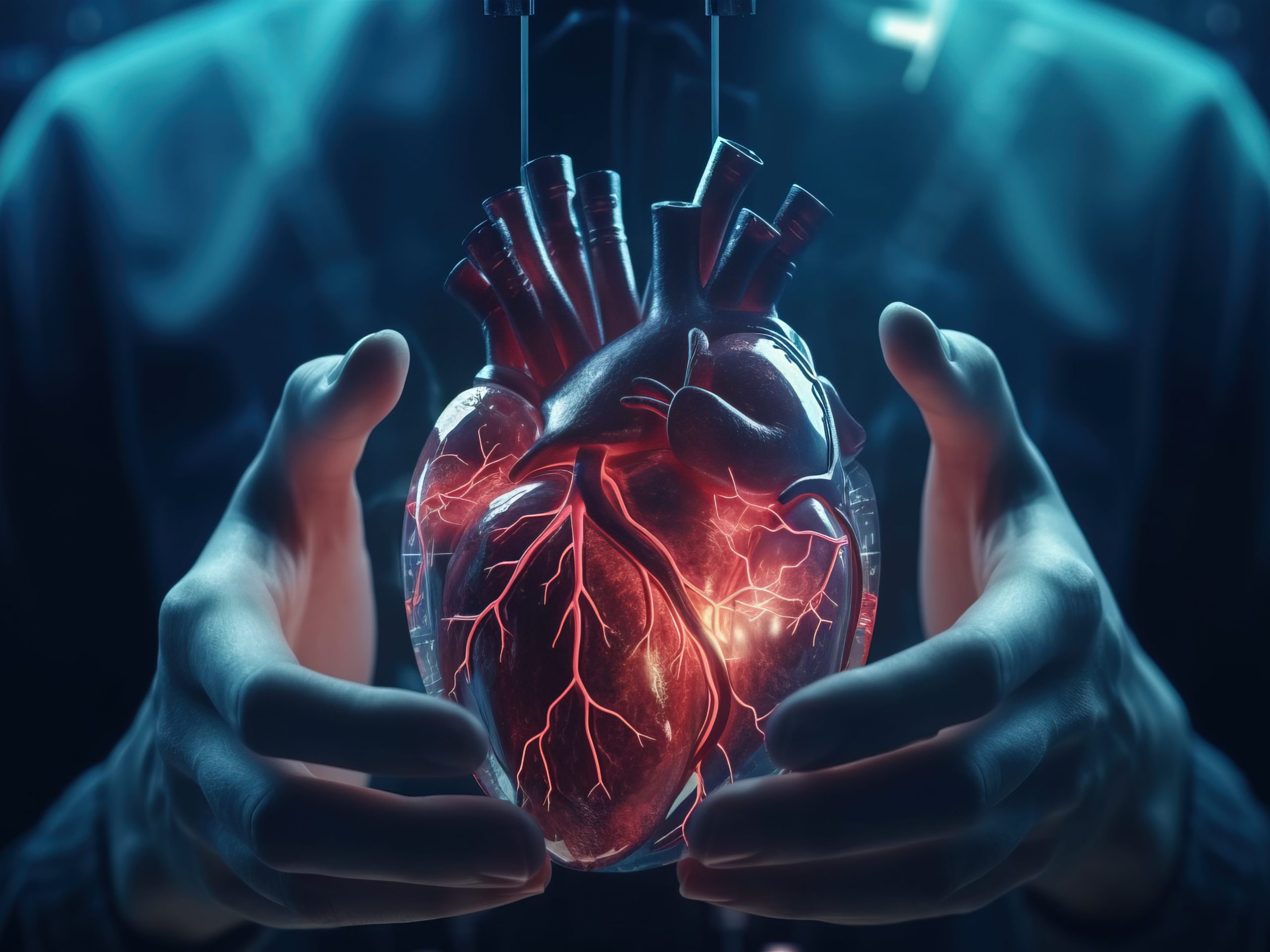
Lets Know About Heart Disease
The human heart beats about 2.5 billion times over the course of an average lifetime, pushing millions of gallons of blood throughout the body. This constant blood flow carries oxygen, hormones, and other compounds. It also removes waste products of metabolism.
Given the heart’s never-ending workload, it’s a miracle that it works so well for so long. But it can also fail, due to poor diet, lack of exercise, smoking, infection, unfavorable genes, and more.
Heart disease and cardiovascular disease are two of the most important heart health problems. They are often used interchangeably, but they are not the same thing.
Heart disease refers to diseases of the heart, such as coronary artery disease, heart failure, heart valve abnormalities, and abnormal heart rhythms.
Cardiovascular disease is a general term that covers all diseases of the heart and blood vessels. It includes heart disease, but also stroke.
What are the different types of heart disease?
Heart disease refers to diseases that affect the function and condition of the heart. There are several kinds of heart disease, including:
- Cardiomyopathy: heart muscle disease that causes the heart to become abnormally enlarged, thickened, and/or hardened.
- Congenital heart disease: heart disease or abnormalities in the structure of the heart that are present at birth.
- Coronary artery disease: buildup of cholesterol-filled plaques, which clog the arteries that supply blood and oxygen to the heart.
- Endocarditis: infection and inflammation of the heart valves and the inner lining of the heart chambers, called the endocardium.
- Heart attack (myocardial infarction): sudden interruption of blood flow to part of the heart muscle.
- Heart failure: inability of the heart to pump with enough force or efficiency to supply oxygenated blood to the body.
- Heart rhythm disorders (arrhythmias): heartbeats that are too fast, too slow, or irregular.
- Heart valve disorders: problems with the valves that control blood flow from one part of the heart to another part of the heart or to the body. myocarditis: inflammation of the myocardium, the middle layer of the heart wall, which decreases the heart’s ability to pump blood normally.
- pericarditis: inflammation of the pericardium, a thin sac that surrounds the heart.
- sudden cardiac arrest: sudden cessation of heartbeats.
What causes heart disease?
The most common type of heart disease is coronary artery disease (CAD), and the main cause of CAD is atherosclerosis, the buildup of cholesterol plaque inside the coronary arteries. Too much plaque limits blood flow through the arteries that supply blood to the heart. Restricted blood flow can cause chest pain or pressure (known as angina) and requires immediate medical attention. When plaque breaks, it can form a blood clot that stops blood flow and triggers a heart attack. Risk factors for atherosclerosis (and therefore CAD) include:
- High total blood cholesterol
- High LDL (bad) cholesterol
- High triglyceride levels
- High lipoprotein(a) levels
- High blood pressure (hypertension)
- Diabetes
- Family history of heart disease
- Smoking
- Obesity
- Physical inactivity
- Inflammation
Heart disease symptoms
A variety of symptoms and signs can indicate heart disease. If you experience any of the following symptoms for no apparent reason, report them to your doctor immediately.
Fatigue. Fatigue can be caused by many diseases and medications. But constant, new fatigue can sometimes indicate two types of heart disease: heart failure and coronary artery disease.
Unexplained aches or pains. Blockage of blood to the heart muscle can cause pain or pressure in the chest, shoulders, arms, back, jaw, or abdomen, mostly when pain in these areas occurs with exercise and goes away with rest.
Shortness of breath. Unexplained shortness of breath that occurs with small amounts of activity.
Swelling of the legs, feet, or ankles. The kind of swelling that leaves an indentation if you press your finger on it could be a sign of heart failure.
Heart palpitations. Palpitations refer to a heartbeat that feels irregular or rapid. Most palpitations can be caused by anxiety, caffeine intake or dehydration. But sometimes they indicate a heart problem.
How can heart disease be prevented?
The best way to prevent heart disease is to adopt heart-healthy habits. These include controlling blood pressure and cholesterol levels, eating a plant-based diet, exercising regularly, maintaining a healthy weight, getting enough sleep, and not smoking.
Blood pressure. High blood pressure makes the heart work harder, which can weaken the heart muscle over time. Blood pressure is measured in millimeters of mercury (mm Hg) and is classified as follows:
- Normal: less than 120/80 mm Hg
- Elevated: 120/less than 80 to 129/less than 80 mm Hg
- Stage 1 hypertension: 130/80 to 139/89 mm Hg
- Stage 2 hypertension: 140/90 mm Hg and higher
Cholesterol. There are two main types: “bad” low-density lipoprotein (LDL) and “good” high-density lipoprotein (HDL). Ideally, most adults should keep their LDL cholesterol below 100 milligrams per deciliter (mg/dL) and their HDL cholesterol above 40 mg/dL. However, your ideal numbers may vary depending on your health, your risk factors for heart disease, and your individual goals, as determined in consultation with your doctor.
Diet. Eating a plant-based diet is known to protect against heart disease. The most studied plant-based diets for heart health are the Mediterranean diet and the DASH (Dietary Approaches to Stop Hypertension) diet. Each emphasizes eating foods associated with heart health benefits, such as whole grains, fruits, vegetables, legumes, nuts and seeds, fatty fish, and healthy oils such as olive oil, and reducing intake of red meat and processed foods.
Exercise. Guidelines recommend that adults get at least 150 minutes of moderate-intensity aerobic activity per week, which breaks down to 30 minutes a day, five days a week. But this is the minimum. Evidence suggests that doing more is better.
Weight. About 30% of American adults are overweight. While it’s natural for people’s weight to increase a bit with age, even 5 to 10 pounds more than ideal weight is associated with an increased risk of heart disease. Check with your doctor to determine your weight range based on your gender, age, and body type.
Sleep. Experts recommend that adults get at least seven hours of sleep a night. Studies have shown that sleeping less than this amount is associated with heart disease risk factors such as higher stress levels, increased inflammation, high blood pressure, and weight gain.
Smoking. Smokers have a much higher risk of heart disease than those who have never smoked and two to three times the risk of premature death. Certain medications and nicotine replacement therapies can help people quit smoking. Talk to your doctor about these or other options.